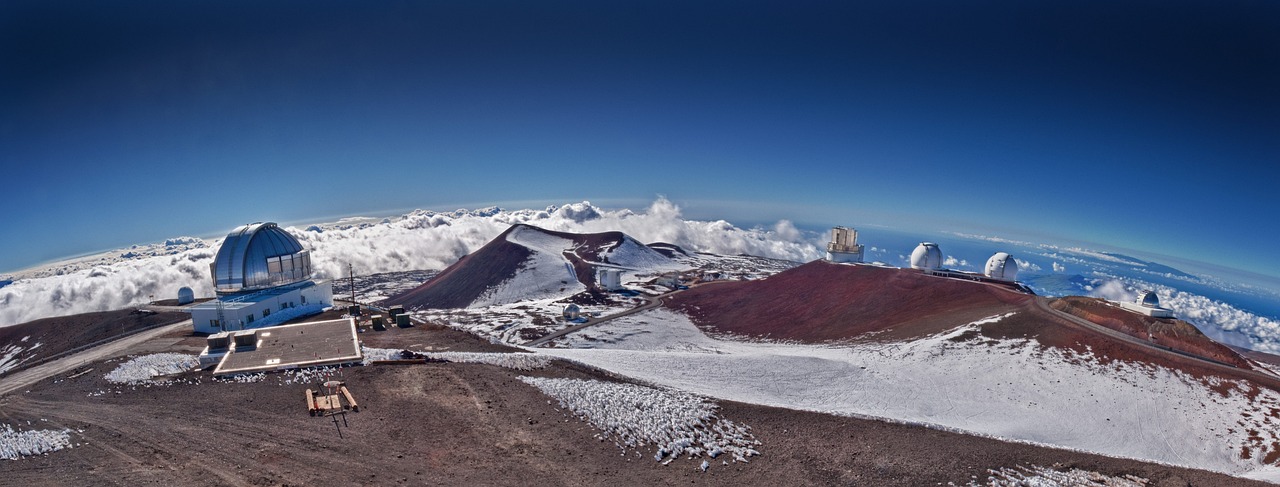
A magnitude 6.0 earthquake struck the western flank of Mauna Loa on Hawaii’s Big Island late Friday, but officials confirmed no eruption occurred and no tsunami warning was issued. The U.S. Geological Survey (USGS) logged the tremor at 9:46 p.m. local time, shaking parts of the state but avoiding the catastrophic scenarios many residents fear. Mauna Loa, the largest active volcano on Earth, last erupted in late 2022, drawing global attention to Hawaii’s volcanic risks.
The quake’s epicenter was 7 miles south of Honaunau-Napoopoo and 22 miles south-southeast of Kailua-Kona, at a depth of about 14 miles. Initially measured at 5.9, it was upgraded to 6.0 after further analysis, a minor shift that still affects how engineers assess the event. Large rocks and debris tumbled onto Napoopoo Road, prompting the Hawaii Police Department to close the area for overnight cleanup. The closure was a familiar response in a region where steep terrain and narrow roads leave little room for error.
Related: BankPro Shapes Future of Private Banking
The Pacific Tsunami Warning Center confirmed no tsunami followed the quake, despite strong shaking in some coastal areas. Officials emphasized this distinction, noting that Hawaii’s memory of tsunami sirens and evacuation routes remains vivid. USGS scientists said the earthquake had no apparent connection to Mauna Loa or Kilauea volcanoes, attributing the event to tectonic stress from the Pacific plate bending under the weight of the Hawaiian islands.
“The earthquake was not directly related to volcanic processes,” USGS stated. The tremor, described as “strong to very strong” in some communities, could cause minor damage like cracks or toppled shelves but no major collapses. Over 2,600 people reported feeling the quake through the USGS’s “Did you feel it?” tool, with responses coming from across the state. The agency urged residents to report any damage to local authorities, effectively turning the public into a sensor network.
Related: Warning Signs: Speedy Hire’s Profit Warnings Send Shockwaves Through Investors
Aftershocks followed, including a 3.2-magnitude tremor near Mauna Loa. Scientists expect more quakes in the coming days but warned they’re unlikely to be large enough to cause damage. Despite reassurances, the region’s history with volcanic activity leaves residents wary. They worked quickly to separate measured risk from speculative fears, emphasizing the distinction between tectonic shifts and magma-driven eruptions.
The speed of the tsunami warning response was critical. Within hours, the Pacific Tsunami Warning Center confirmed no threat, allowing coastal communities to avoid the worst-case scenario. This event highlighted how earthquakes and volcanic risks are often conflated in public perception. Scientists stressed the quake’s cause was tectonic, not volcanic, a detail crucial for accurate risk communication.
Related: The Ultimate Guide to Business News: Staying Ahead in a Dynamic World
As crews clear debris and residents check for damage, the island returns to its uneasy normal. Living on the flank of the world’s largest active volcano, Hawaii’s people remain acutely aware of nature’s power. The ground shook, but the island held. For now, the focus is on recovery, not speculation.
