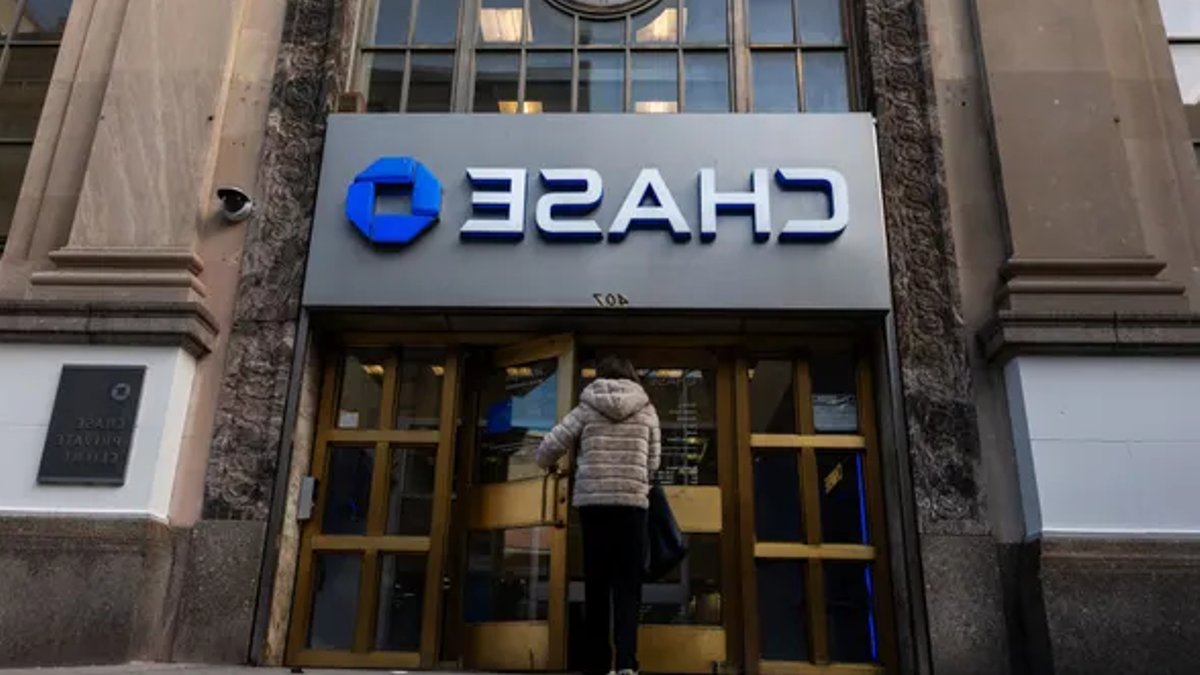
JPMorgan Chase will livestream a fraud-focused panel to approximately 700 branches on Wednesday at 3 p.m. Eastern time, addressing the growing sophistication of AI-enabled scams targeting consumers of all ages. The bank aims to educate front-line employees and customers about identifying and preventing financial fraud. Darius Kingsley, head of consumer fraud and scam prevention at Chase, will moderate the event from the bank’s mid-Atlantic regional headquarters in Washington, D.C. Panelists include Pat Opet, Chase’s information security chief; Michelle Singletary, a Washington Post columnist; and Brett Leatherman, assistant director of the FBI’s cyber division.
Scam Tactics Evolve With AI Technology
The panel will explore how open-source AI models enable scammers to craft convincing fake texts and emails, far surpassing the crude tactics of past schemes like the Nigerian prince fraud. “What AI allows you to do is really personalize your messages,” Kingsley explained, noting the difficulty in countering such targeted approaches. Fraud prevention efforts must address a broad demographic, as victims span all age groups, with younger individuals increasingly falling prey to apartment and employment scams. Older Americans, meanwhile, face higher risks from romance scams and “pig-butchering” investment fraud.
A common scheme involves fraudsters offering fake product review jobs that require victims to purchase a $600 Chromebook using a counterfeit check for $2,600. Victims are instructed to deposit the check and wire $2,000 back to the scammer immediately. When the check bounces, victims lose the $2,000 and may suffer credit score damage, complicating future endeavors like renting apartments. Kingsley emphasized that fraud often begins before customers even reach their bank, through spoofed calls or deceptive social media ads.
Read Also: Upgrade applies for banking charter
Financial Impact of Imposter Scams
According to the Federal Trade Commission, imposter scams cost reported victims $3.5 billion in 2025, triple the amount in 2020. Gallup estimated total scam losses reached $68 billion in 2025, with most victims losing under $500, though 5% lost more than $10,001. Kingsley highlighted that combating fraud requires collaboration across industries, not just bank interventions. He advocated for coordinated efforts to halt scam tactics at their origin.
Legislative progress includes bipartisan legislation introduced in February targeting fraudulent online advertisements, though it remains pending in committee. In June, the Elder Justice Coordinating Council launched the “Never Ever” campaign, partnering with organizations like the American Bankers Association, USTelecom, Google, and Microsoft to raise awareness about imposter scams.
Banks Leverage AI to Combat Fraud
JPMorgan Chase, like other banks, fights scams using the same AI models scammers do. Kingsley noted that AI helps banks quickly identify suspicious transactions, asking customers to verify unusual transfers. “The vast majority of all payments are good, and people actually want to make them,” he said, describing the challenge of spotting rare fraudulent activities. The threat, he said, is countered by an equal-opposite effort on the bank’s end. Part of the battle is fought with AI, and part with community events. “Honestly, there’s nothing else like just trying to really get out there and educate people,” Kingsley said.


