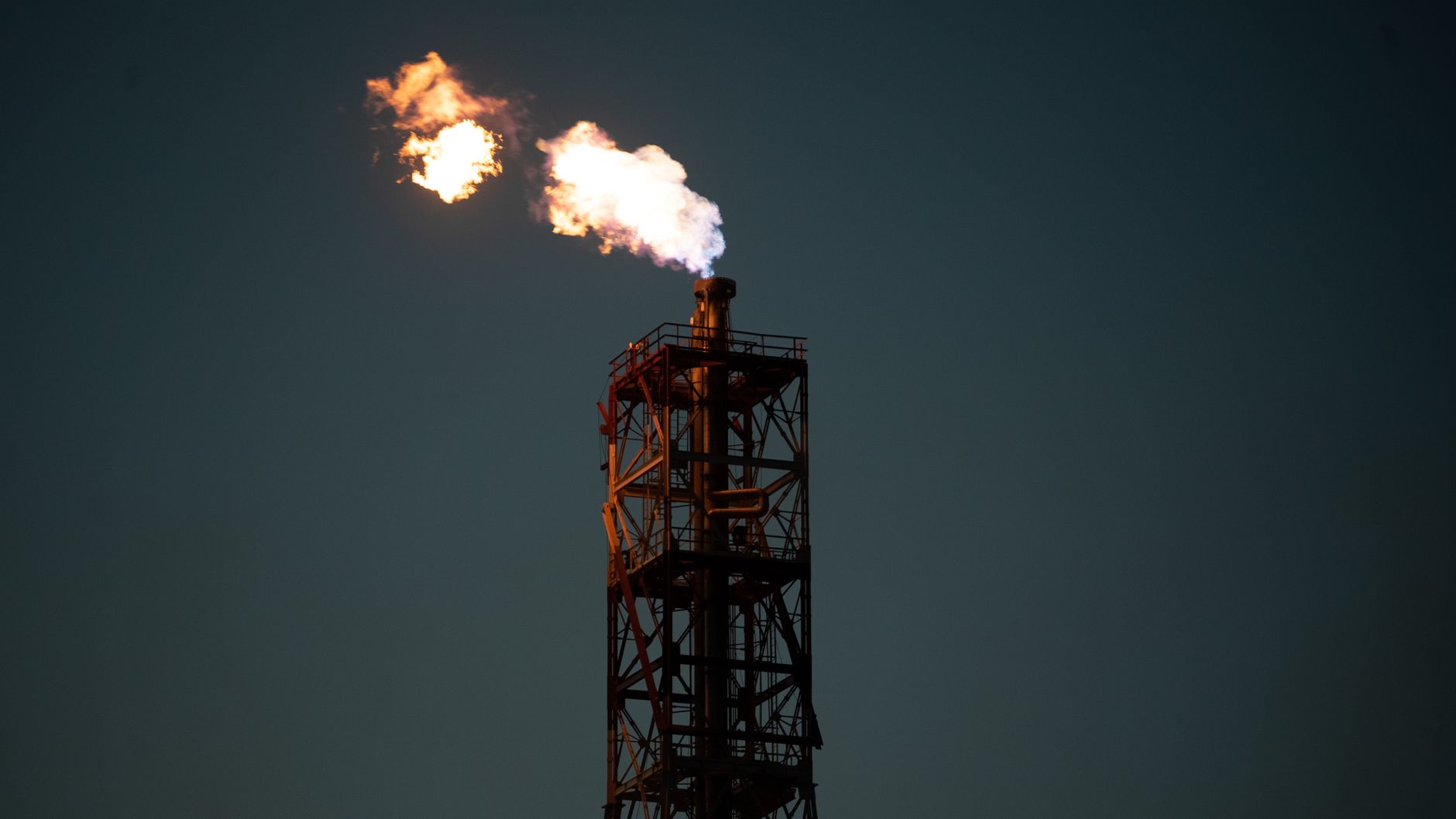
Oil markets are reacting to the latest escalation in U.S.-Iran clashes, with Brent crude edging up nearly 2% to just under $86 a barrel and West Texas Intermediate climbing over 2.4% to stay below $81.
U.S. strikes target bridges, energy sites and a port tower
On Thursday night, U.S. forces broadened their campaign against Iranian facilities. The operations focused on bridges, energy installations and a tower at Bandar Abbas, the country’s principal southern port. According to the outlet, the aim was to disrupt road links that feed the central region and the capital.
Iran confirmed damage to its power infrastructure on Friday, prompting the Energy Ministry to urge residents of southern provinces to curb electricity use. While some routes remain functional, officials said the United States could widen the attack zone if it chooses.
In a prime‑time address, President Donald Trump said the military actions are producing results. “We are likewise winning big in Iran, and you will see the fruits of that labor very, very shortly,” he declared.
Iran retaliates and regional tension rises
Iran responded with missile launches aimed at U.S. allies in the area, including a strike on a desalination project in Kuwait. The same report noted that Tehran’s recent attacks have also sought to undermine its capacity to block the Strait of Hormuz, a key maritime chokepoint.
Related: Rubio Accuses Iran and Cuba of Funding Antifa
Officials familiar with the situation told journalists that the strikes have expanded options for future operations. Targets have included air‑defense systems, coastal radars, missile and drone sites, as well as maritime assets. One source described the campaign as a “shaping operation” that prepares the ground for possible larger actions.
Trump, speaking to Fox News, warned that the next phase could involve “power plants” and “bridges” unless Tehran returns to negotiations. “Next week it gets really bad for them,” he said, adding that the United States would “knock out all of their power plants” if diplomatic talks do not resume.
The escalation comes amid a broader pattern of pressure aimed at limiting Iran’s ability to threaten shipping lanes and to force a return to the nuclear talks.
For people living near the targeted facilities, the immediate impact is tangible. Reduced electricity supplies can affect hospitals, schools and small businesses that rely on steady power.
When bridges are disabled, supply chains that move goods across the country become slower, potentially raising prices for everyday items. Those changes, while part of a strategic effort, ripple through local economies and daily life.
Related: Neumann leads push for stronger Kansas LGBTQ support
Energy analysts note that the rise in crude prices reflects market concerns about supply disruptions, though the increase remains modest compared to past spikes. Traders are weighing both the immediate damage and the potential for further escalation.
U.S. officials have not disclosed the full extent of the damage, but public statements imply a focus on essential infrastructure. The Energy Ministry’s appeal for reduced consumption highlights the seriousness of the power grid hits.
Iran’s missile launches, meanwhile, signal a willingness to retaliate, keeping the region on edge. Observers say the back‑and‑forth could draw in other Gulf states, already wary of Iranian influence.
As the situation develops, the oil market will likely continue to track each new development closely. Traders will watch for any indication that either side may de‑escalate or, conversely, broaden the scope of attacks, which could push prices higher.


