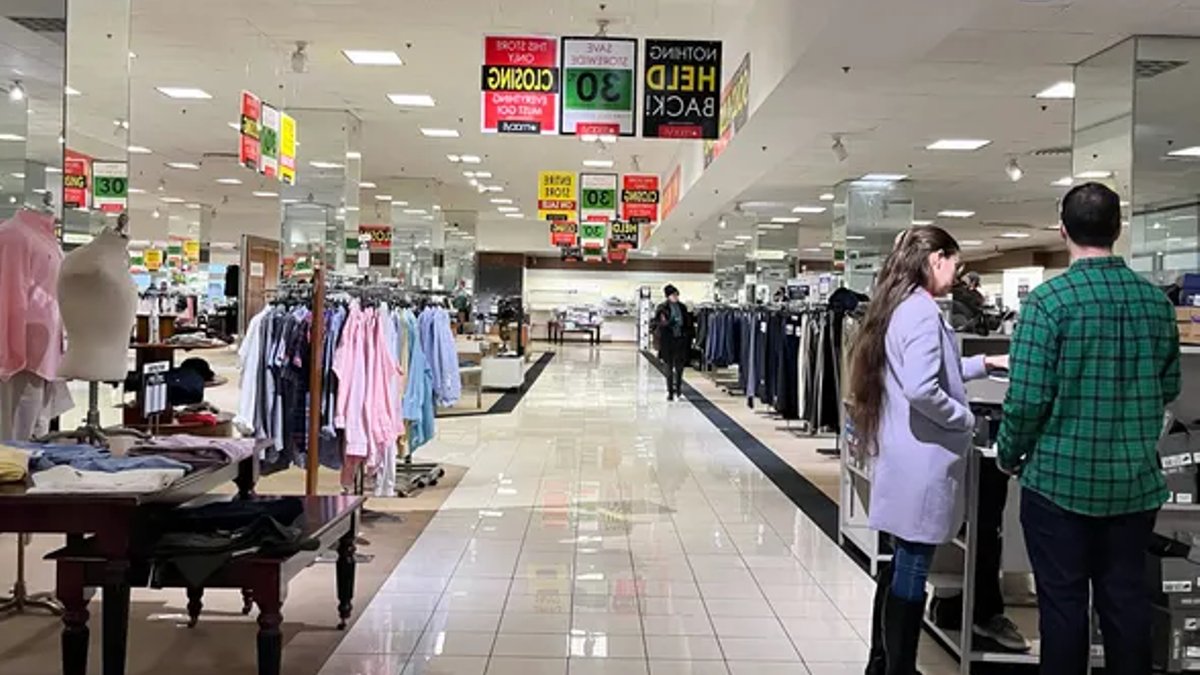
Consumer confidence has dropped to a 12-year low, driven by rising fuel costs, higher borrowing rates, and worries about hiring, according to the Conference Board. The index fell 6.7 points this month to 81.8 from 88.6 in August, reflecting widespread unease across the economy.
The outlook for inflation is notably grim. Consumers’ median expectations for price increases over the next year rose 0.3 percentage points to 5.1%. A significant majority, 68.4% of households, anticipate that interest rates will stay higher over the next 12 months. This anxiety extends to the job market, where worries about weak hiring by employers have further strained sentiment.
Dana Peterson, the chief economist at the Conference Board, noted that references to high costs, including oil and gas, reached new heights in the survey. “References to prices, the high cost of goods and services, and oil and gas prices in particular, rose to new heights, reflecting September’s surge in fuel costs,” she said.
The University of Michigan released similar findings, reporting that sentiment fell to a four-month low as households struggled with persistent price pressures. “Consumers are more disgruntled and squeezed in this economy than they felt during the 2020 pandemic,” Heather Long, chief economist at Navy Federal Credit Union, said in a statement. “The Main Street economy is under strain. High gas prices, spiking borrowing costs and low hiring are hitting middle-class households hard,” she said.
Fed’s Stance on Interest Rates
New York Federal Reserve President John Williams said he sees no pressing need for another interest rate hike at the upcoming Oct. 27-28 meeting. “With the policy action we took at our September meeting, there is no need for urgency, and we have time to gather more information,” he stated. Williams predicted inflation will end 2026 at 3.5% and approach the Fed’s 2% target in 2028.
Williams emphasized that slowing inflation remains the central bank’s top priority. Traders reacted to his remarks by cutting the odds of a rate increase in October to 47% from 71% the previous day. Meanwhile, the National Association for Business Economics found that 49% of its members believe current monetary policy is too stimulative, a sharp increase from February. The association reported that this belief is a jump of 38 percentage points since a similar survey in February.
Williams maintained that the overall economy remains on a solid footing despite the softening in consumer confidence. Unemployment is expected to edge down slightly from 4.1% to 4% over the coming year, but the path to the 2% inflation target remains long. Nearly 95% of NABE members do not expect the Fed to achieve price stability before the second half of next year, showing the depth of the current economic challenges.


