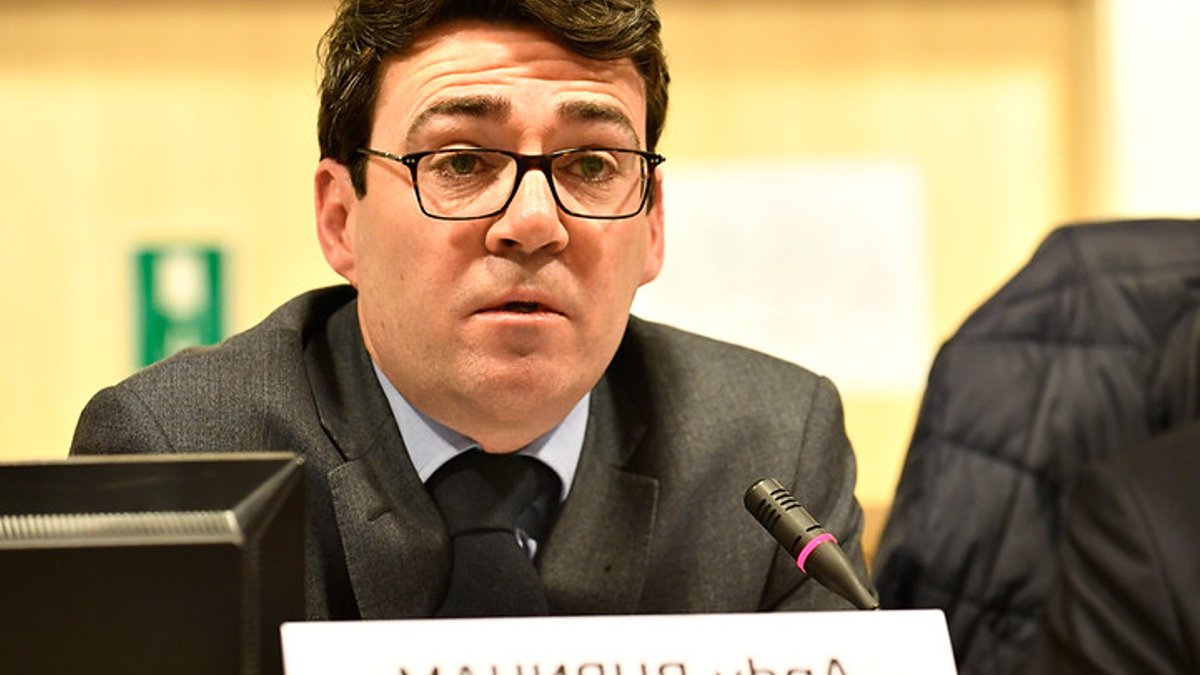
Andy Burnham has become the new Prime Minister with no leadership contest to fight, arriving at 10 Downing Street on July 20, 2026. While his policy agenda remains largely undefined, his campaign rhetoric offers clues about his potential impact on the small business sector. Burnham has signaled a shift toward policies that could lower overhead costs for local enterprises, specifically targeting business rates and employment taxes.
He campaigned on the idea of cutting business rates for pubs and music venues by 20%. To fund this reduction, he has proposed increasing taxes on out-of-town warehouses and online retailers like Amazon. Burnham also aims to raise the threshold at which businesses must start paying rates, potentially exempting many smaller operations entirely. This approach directly addresses the financial strain on brick-and-mortar shops, framing them as essential symbols of Britain’s renaissance.
Burnham has also questioned the wisdom of the employer National Insurance contribution increase announced in the 2024 Autumn Budget. While he acknowledges the move was made by the previous administration, he has indicated a reluctance to fully overturn it. Instead, he has proposed securing more work placements for 16-to-18-year-olds and guaranteeing apprenticeships as an alternative method of workforce development. This dual focus on tax relief and youth employment suggests a strategy designed to support traditional retail while simultaneously addressing labor shortages.
Related: Obama leads in popularity among living presidents
In response to the public backlash against a digital ID scheme, Burnham has announced the scrapping of the policy to prioritize cost-of-living concerns. This decision removes a significant administrative burden for employers, who previously had to verify the right-to-work status of candidates using digital verification tools. By focusing on immediate financial pressures rather than digital modernization, the new administration is signaling a priority on reducing bureaucratic friction for business owners.
Industry leaders are cautiously optimistic but remain skeptical about the pace of change. Sami Kade, banking product director at Starling Bank, noted that small businesses are fighting for survival and called for systemic reforms. Kade argued that the new Prime Minister must back measures to unlock growth, specifically mentioning the need to lift the VAT threshold to £100,000 and mandate a 30-day maximum invoice payment term. These suggestions reflect a broader frustration with the current economic environment, where administrative hurdles and delayed payments are frequently cited as barriers to success.
While Burnham’s specific plans are still emerging, the focus appears to be on leveling the playing field between online giants and local high streets. Charlotte Broadbent, UK general manager at Faire, suggested that the future success of these shops depends as much on physical infrastructure—like affordable parking and council support—as it does on direct government subsidies. The new administration will likely need to balance tax cuts with broader investments in town centers to stabilize the retail setting.


