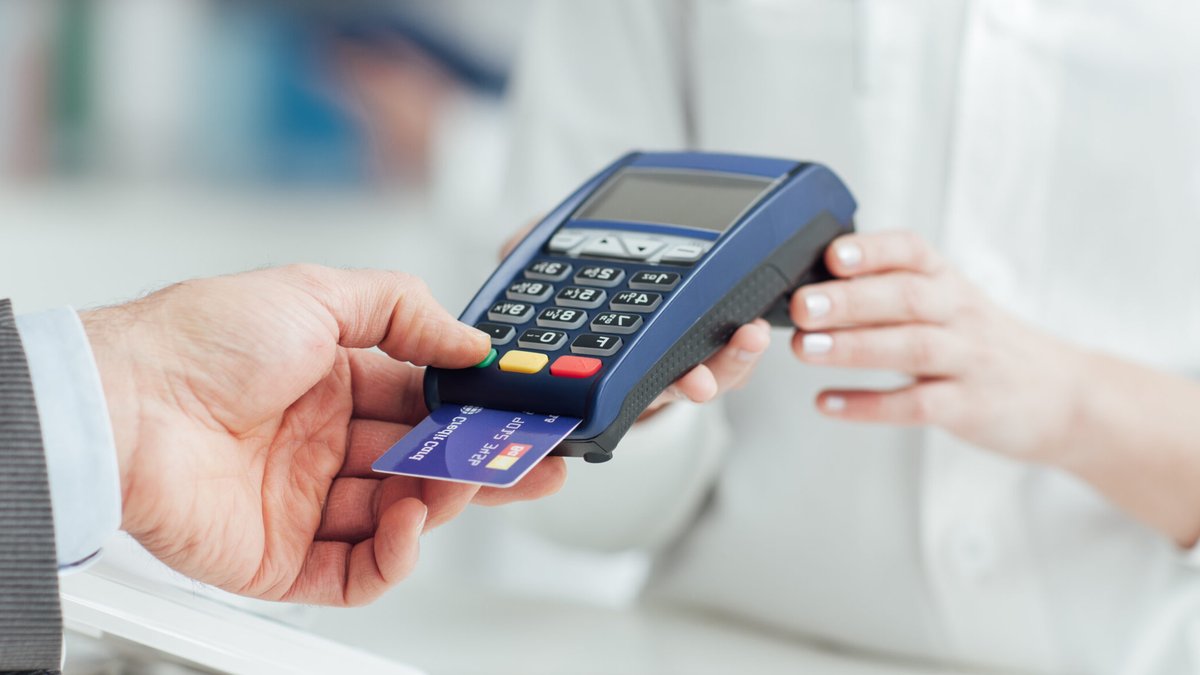
A PDQ machine – short for “process data quickly” – is the device merchants use to accept card payments, whether the card is tapped, inserted or swiped.
How the transaction flows through a PDQ machine
When a customer presents a card, the machine reads the chip or magnetic stripe, prompts for a PIN if required, and then contacts the card‑issuing bank. If the account has sufficient funds, the bank authorises the payment and sends the approval back to the terminal.
The approved amount is then transferred to the merchant’s account. After the funds clear, they appear in the business’s bank account, usually within one or two working days.
Types of PDQ machines and their ideal use cases
There are three main categories of PDQ devices, each suited to different business environments.
Countertop units sit on a fixed point of sale, such as a shop till or salon reception. They rely on a broadband connection and mains power, offering a stable setup with the lowest transaction fees but no mobility.
Portable machines attach to a docking station but run on a rechargeable battery. They use Wi‑Fi, allowing staff to move around a restaurant or café and take tableside payments. Their flexibility is limited by the quality of the local Wi‑Fi signal.
Mobile readers are the newest class. They connect via cellular data, so merchants can take payments anywhere – from market stalls to construction sites. These devices are compact, often paired with a receipt printer or a docking station, and typically charge a flat‑rate transaction fee.
Related: EDF launches £5,000 sustainability grant programme
Choosing the right model depends on where transactions happen. A fixed retail outlet will likely benefit from a countertop terminal, while a pop‑up shop or food truck needs the freedom of a mobile reader.
While the devices themselves range from about £15 to over £150, most providers bundle the hardware with processing services. That means merchants also face monthly fees and per‑transaction charges, which vary across providers.
Businesses can usually purchase a device outright from providers like Square or SumUp, receiving it by mail within days. Larger processors may require a sales conversation, with the equipment often rented rather than bought.
When evaluating offers, merchants should compare both the hardware price and the ongoing transaction fees, as the latter can significantly affect profitability over time.
For newcomers, understanding the role of a PDQ machine helps clarify why many small businesses now accept card payments without a traditional cash register. The shift to electronic payment methods reduces cash‑handling risks and can improve the customer experience, especially when the payment device is fast and reliable.
Where to obtain a PDQ machine
Most major payment processors and merchant‑service firms list PDQ machines on their websites. Prospective buyers can request a quote, often via a short online form, and receive tailored pricing based on expected turnover.
After selecting a device that matches the business’s needs, the merchant signs a contract, sets up the terminal, and begins processing card payments immediately.


