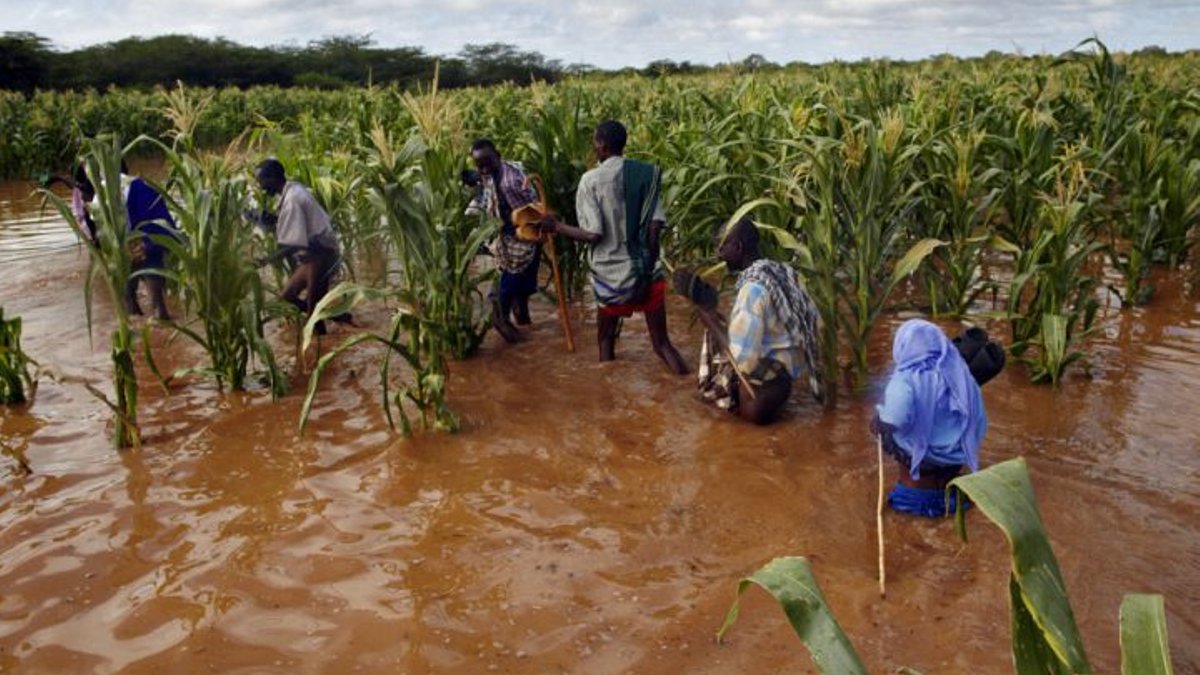
As El Niño approaches, farmers in East Africa face a critical challenge: turning weather forecasts into actionable steps to protect their livelihoods. The World Meteorological Organization confirmed in September 2026 that El Niño is firmly established and likely to persist through February 2027.
The IGAD Climate Prediction and Applications Centre forecasts wetter conditions across the Greater Horn of Africa from October to December. While additional rainfall can benefit water supplies and production, excessive rain poses risks to crops and infrastructure.
From Forecast to Action: The Role of Agricultural Finance
Farmers often lack the financial resources to act on weather warnings. A loan for seeds and fertilizer is just the start. To safeguard their crops, farmers may need funds for drainage, drying, storage, and transport. Agricultural lenders must consider these broader needs, including repayment flexibility when weather delays harvesting or collection.
Climate insurance is another critical tool, but its value depends on whether it covers the specific risks farmers face. Farmers need clear information about insured events, payout terms, and exclusions. When insurance is bundled with credit or inputs, providers should ensure farmers understand its conditions.
Beyond the Field: Post-Harvest Challenges
Even a successful harvest doesn’t guarantee income. Market fluctuations, currency shifts, and supply chain disruptions can erode profits. Farmers with limited access to price information or transparent buyer terms may struggle to anticipate these changes, leading to lower-than-expected earnings.
Post-harvest protection is essential for climate preparedness. Cooperatives can assess shared storage and drying capacity, while buyers can confirm collection plans and alternatives for disrupted access. Financial providers should explore affordable access to these services, weighing their costs against the income they could preserve.
Market Uncertainty and Post-Harvest Challenges
Farmers may face financial strain due to various factors beyond their control, even after a successful harvest. Produce can spoil if not dried or stored properly, and delayed collection further compounds the issue. Household expenses and loan repayments often force farmers to accept unfavorable prices for their crops.
Connecting the Dots: The Role of Agritech
Agritech companies play a practical role in bridging these gaps. They can help farmers interpret forecasts, identify appropriate responses, and connect with lenders, insurers, and buyers. This requires local agronomic knowledge and reliable partnerships across the agricultural value chain.

